


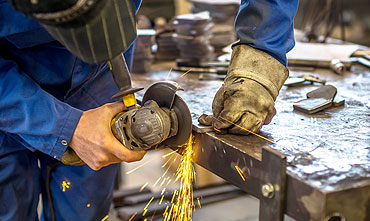




ISO 45001 is an internationally recognized standard for occupational health and safety management systems. It provides a framework for organizations to manage their OH&S risks and improve their overall performance.
Implementing ISO 45001 can bring numerous benefits to an organization, not only in terms of employee well-being but also financially. This is where investing in ISO 45001 consultancy in UAE becomes necessary.
Lower insurance costs:
Insurance companies love businesses that prove they take safety seriously. When a workplace is certified, it shows that risks are managed well and accidents are unlikely to happen. This lower risk often leads to lower insurance premiums each year. Those savings can be put back into the business to help it grow. Over time, the money saved on insurance can pay for the entire cost of the initial consultancy work.
Better worker productivity:
Employees work much faster and better when they feel safe in their environment. A workplace that follows clear safety rules has fewer interruptions caused by injuries or equipment damage. When staff members see that their health is valued, they stay at the company longer. This reduces the high costs of hiring and training new people constantly. Happy and healthy teams are the engine of a profitable and stable organization.
Avoiding heavy legal fines:
Governments have strict rules about workplace safety that must be followed at all times. Failing to meet these standards can lead to massive fines that drain a company’s bank account quickly. Investing in expert advice ensures that every rule is met before an inspector visits. Preventing one single legal battle can save a business from total financial ruin.
Winning bigger contracts:
Large clients often check safety records before they agree to sign a deal. Having a recognized safety certificate acts as a badge of trust that opens doors to better opportunities. It gives a business a competitive edge over rivals who do not have formal safety systems. This means the company can bid for high value projects that were previously out of reach.
Reducing equipment downtime:
Safety systems involve taking good care of tools and machinery to prevent mishaps. Regular checks mean that gear breaks down less often and lasts much longer. Replacing expensive machinery because of a preventable accident is a waste of capital. Proper safety management keeps the production line moving without any unexpected or costly pauses.